Art Basel, Basel 2026: Andrew Ross and Dona Nelson (Works)
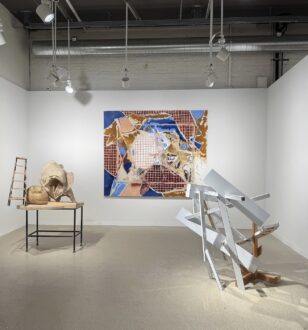
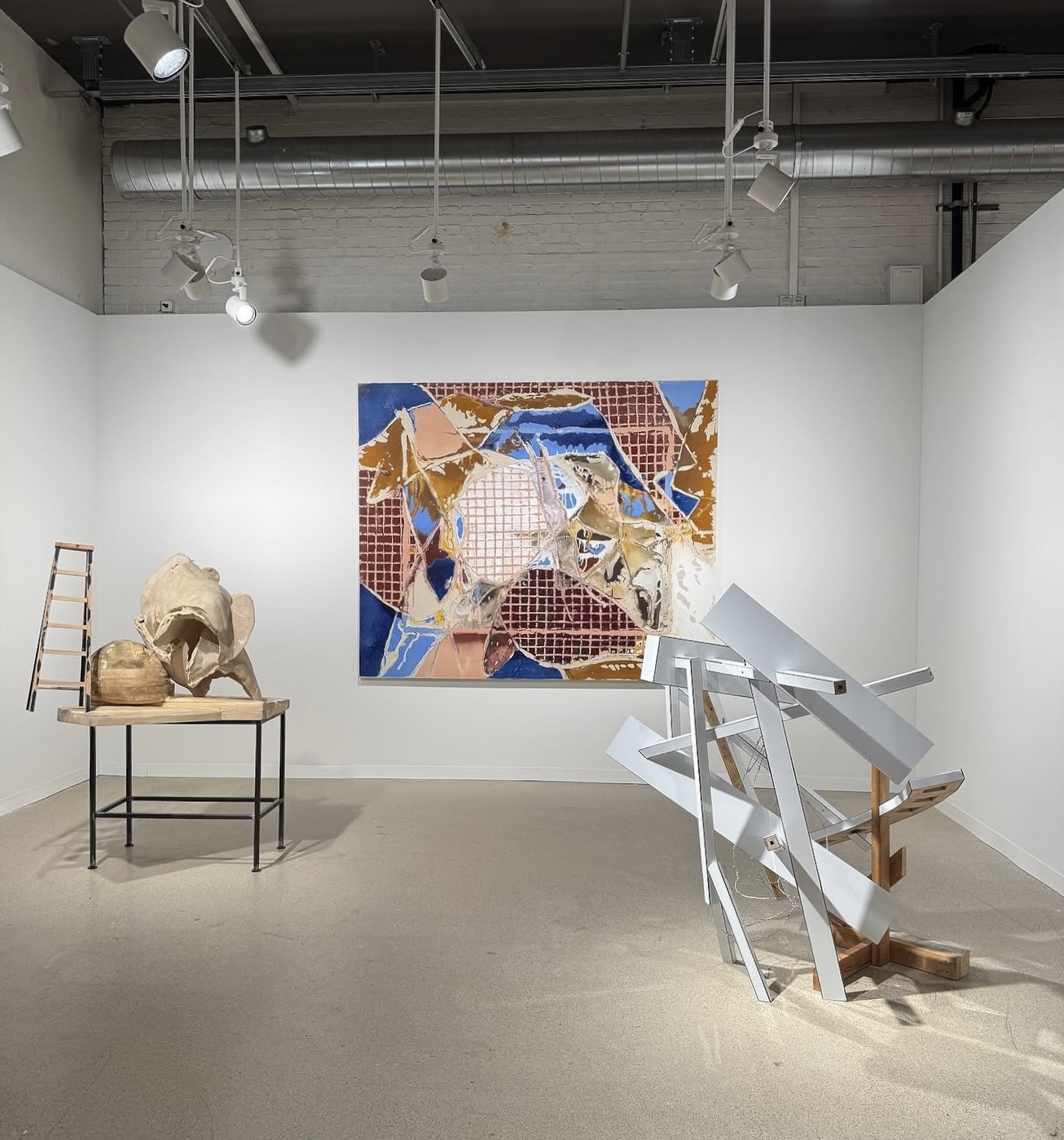
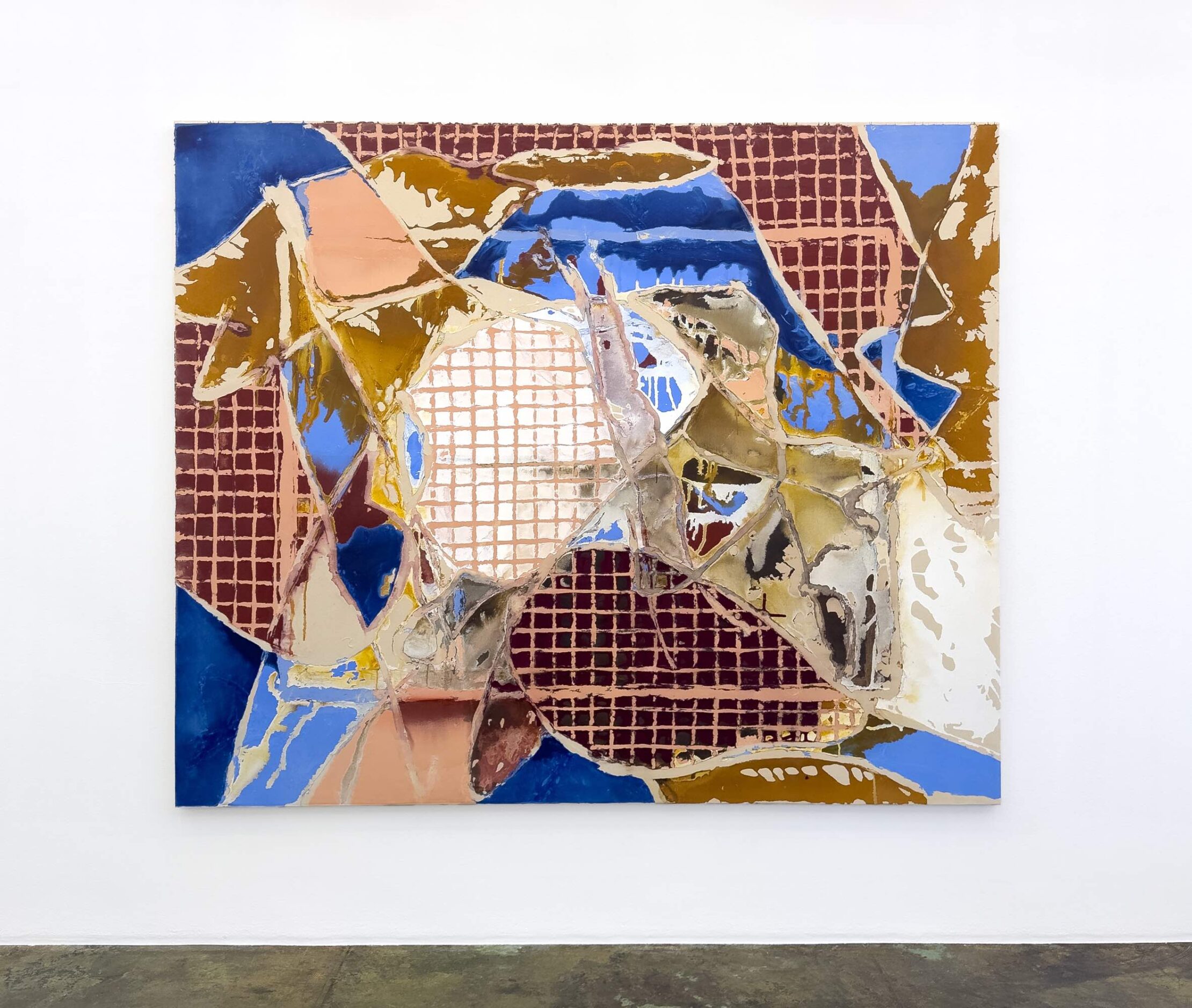
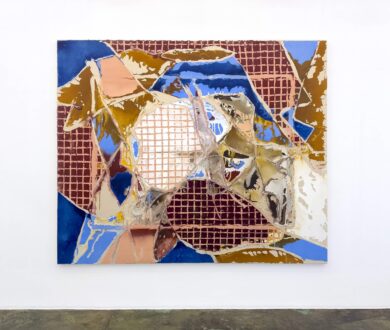 Cardinal Plane, 2024. Acrylic and acrylic mediums on canvas, 88 x 108 in.">
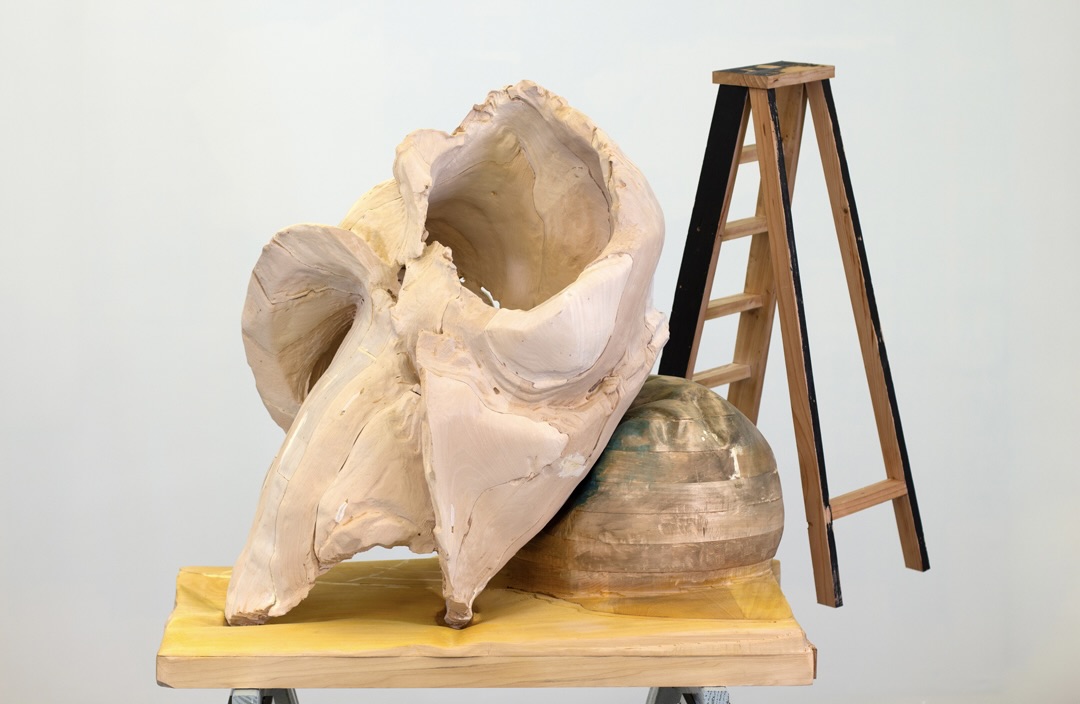
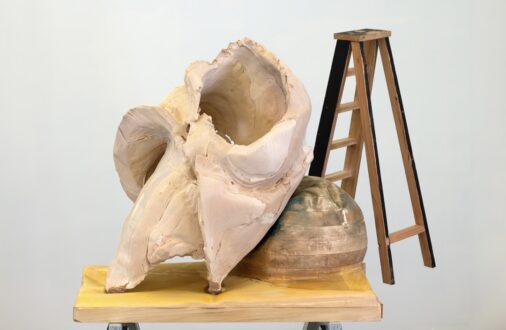 "Star-Link", 2025. Basswood, douglas fir, pigment, and lacquer, 40 x 52 x 43 in.">
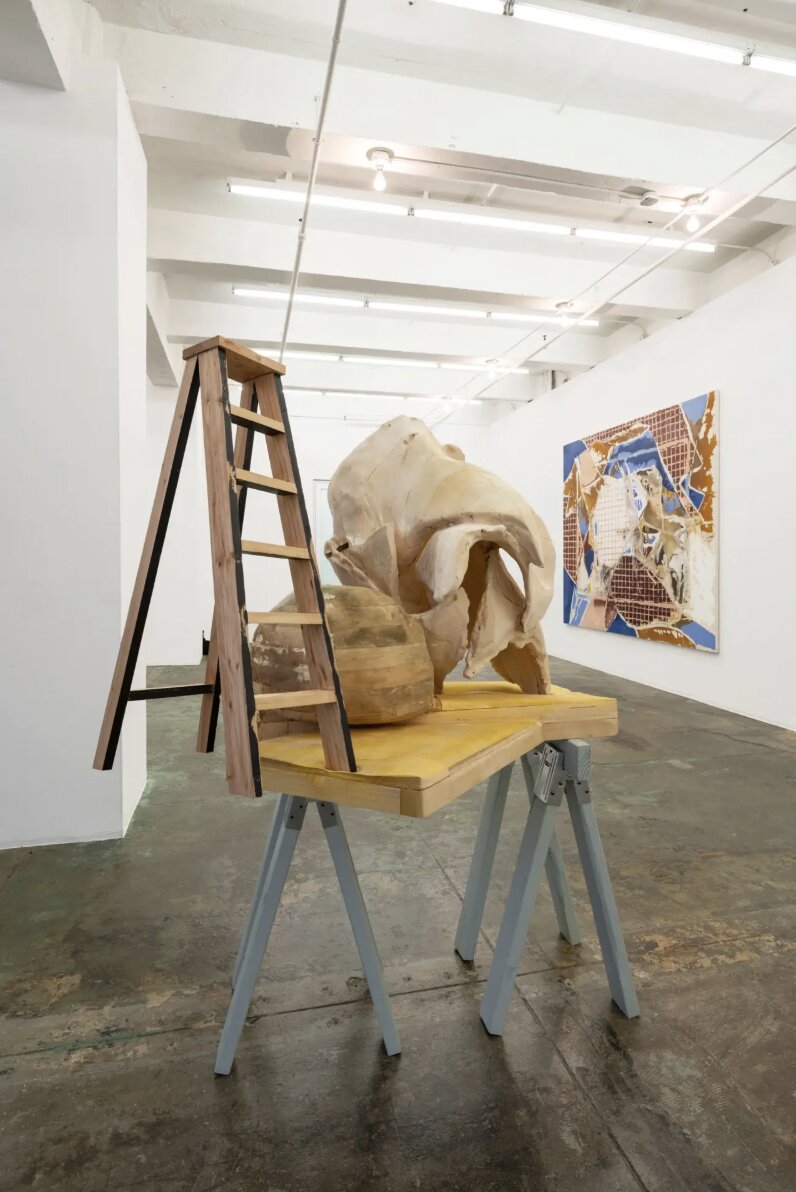
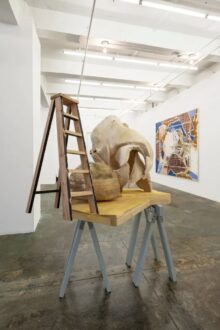 "Star-Link", 2025. Basswood, douglas fir, pigment, and lacquer, 40 x 52 x 43 in. Installation view, Thomas Erben Gallery, June 2025.">
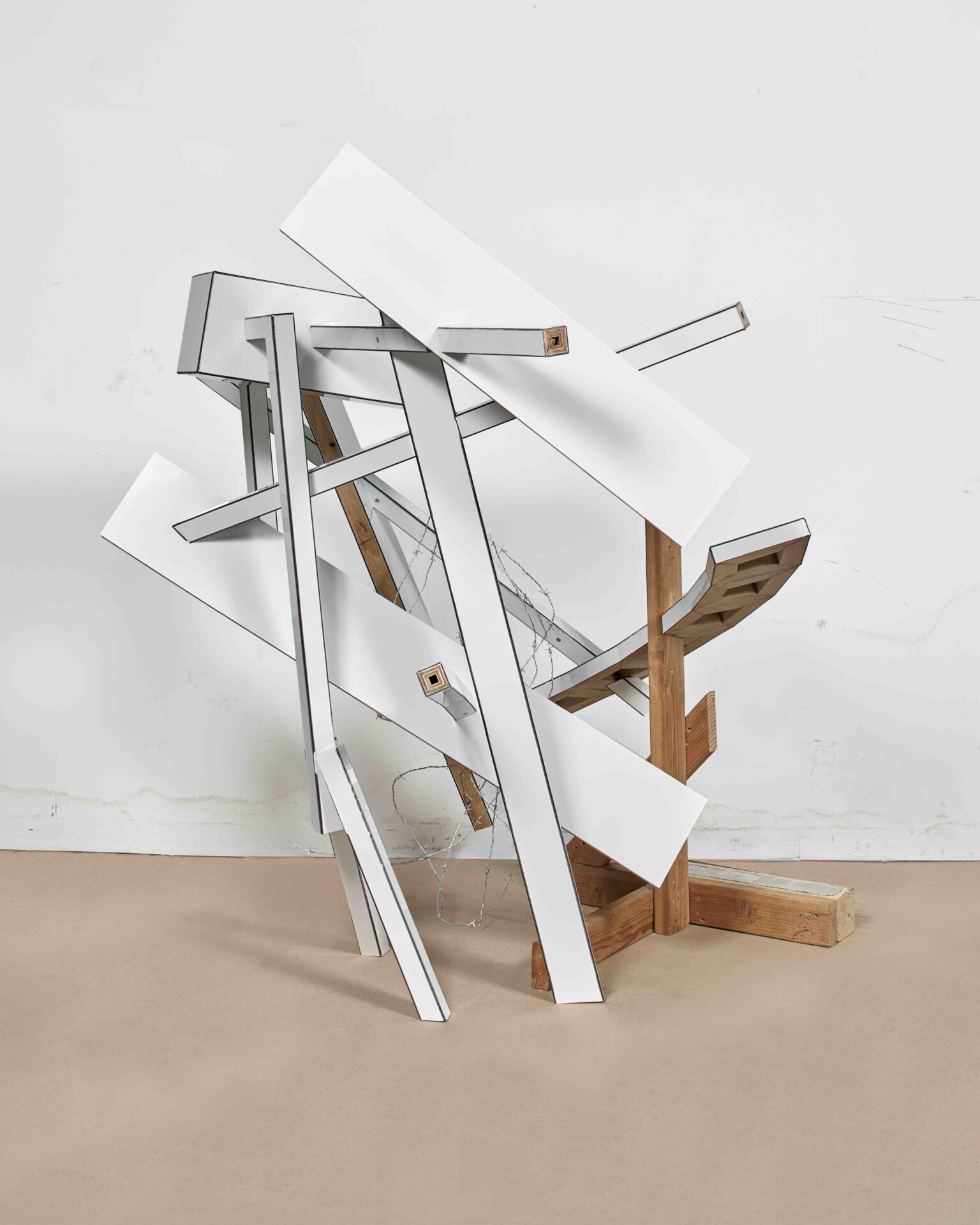
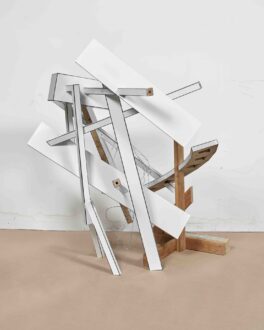 Fountain, 2026. Plywood, wood, dibond, steel and barbed wire, 63 x 54 1/2 x 46 in.">
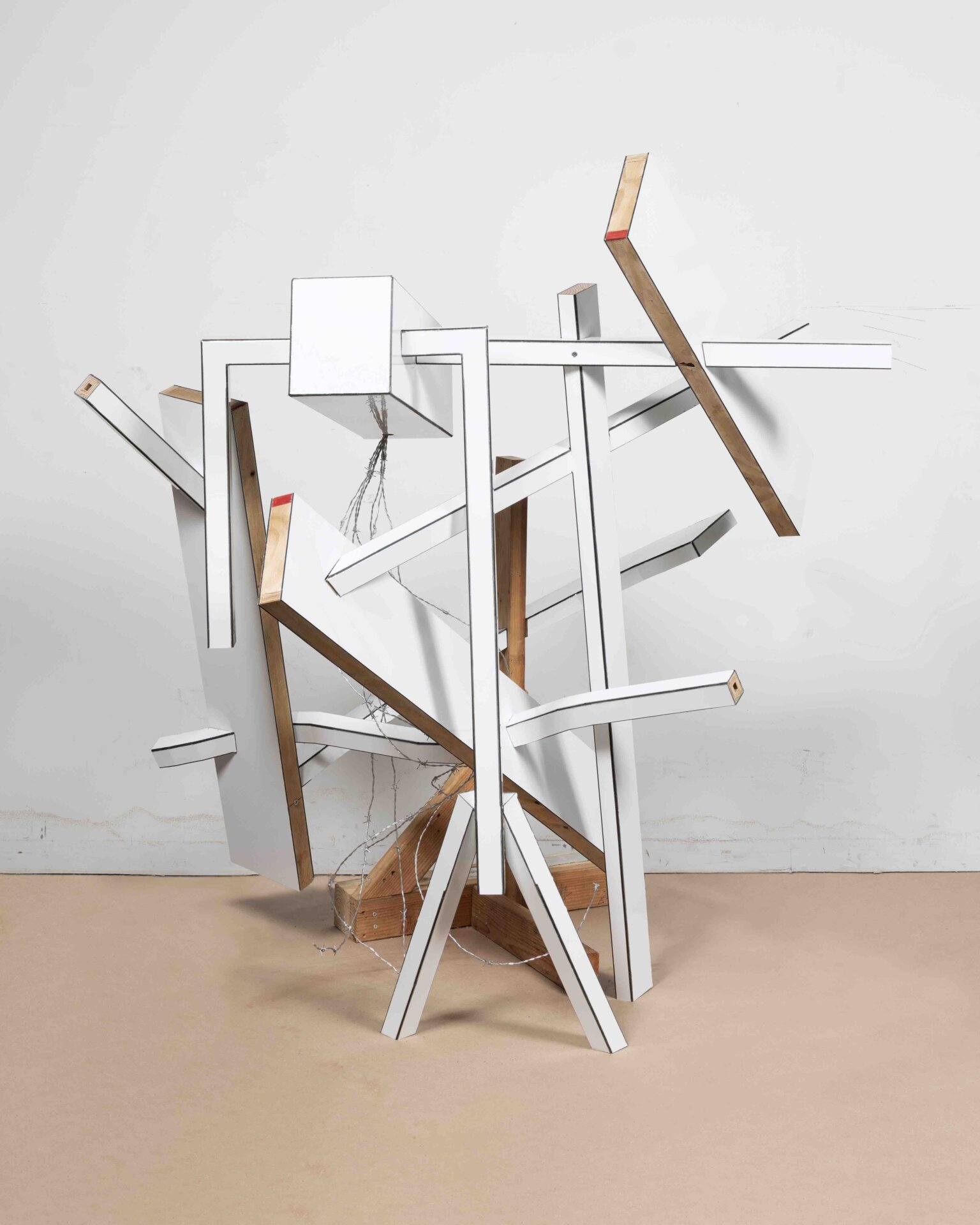
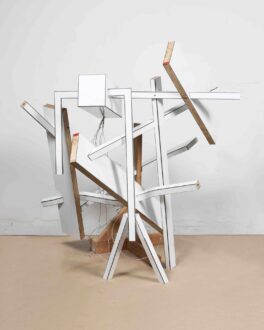 Fountain, 2026. Plywood, wood, dibond, steel and barbed wire, 63 x 54 1/2 x 46 in.">
Selected Works
Andrew Ross and Dona Nelson
Opens Thursday, June 18, 2026
Art Basel, Basel 2026: Andrew Ross and Dona Nelson Press Release
Thomas Erben is thrilled to present recent paintings by Dona Nelson and sculptures by Andrew Ross in Art Basel’s Premiere sector (booth P16), our second participation at the fair in Basel. This juxtaposition of art and artists received a remarkable response when first presented at the gallery in Spring 2025.
Nelson (b. 1947) is an influential American painter with an extensive exhibition history and long-standing critical support. Her work is in more than 20 national collections, as well as the Centre Pompidou and Art Gallery of New South Wales in Sydney. Ross is a young sculptor (b. 1989) who already has an impressive record, with a strong critical following, numerous residencies and awards, including a Pollock-Krasner Foundation grant.
A focus on process and materiality is central to both artists’ practices, allowing a range of moods and breadth of content to enter the works without reverting to symbolism. Both artists deal with production, which is unequivocal yet elusive. For Nelson it is the unruly flow of liquid paint staining through canvas, and for Ross it is the matter-of-fact transmutation of photographic documents into sculpture.
Known for her freestanding, double-sided paintings, Dona Nelson uses cotton canvas, cheesecloth, fluid acrylics and wooden stretchers—the material conditions of the medium—as her tools. Seen from a historical perspective, she recognized stain painting’s potential of the “back” while developing a canvas in 2003. Nelson works horizontally, often rotating and inverting her canvases recto verso. Paint and paint mediums are applied and seep through from both sides, forming puddles guided by raised ridges of thrown ropes of acrylic-soaked cheesecloth, an organic, mutable structure that dries rigidly and is eventually torn off. Developing her works sometimes over long periods, Nelson overcomes the literalness of her processes and materials, making each painting a singular invented image.
Andrew Ross’ sculptures are generated by a sequence of seemingly contradictory material processes, which can be sparked by a photograph, video or even one of the artist’s already extant pieces. In Star-Link, for example, half spheres the artist formed of slabs of clay are assembled to simulate the kinetic energy of two teenage boys wrestling in a backyard. This intermediary sculpture is then 3D scanned, digitally arranged, milled in wood and worked over again by hand. Similarly, the contours of an earlier work based on a photograph of cranes erecting an artificial island find their way into Fountain, as do the spectacular water curtains of the new fountain at LaGuardia Airport in New York.
Ross’ mental acuity, manual dexterity and meticulous execution combine into works of formal and material quality—icons whose meaning rest in the objects themselves.
It is remarkable to see the correspondences between these two artists’ works, revealing Nelson’s continued creativity and relevance while simultaneously highlighting the complexity and maturity of Ross’ work, who—age wise—is 40 years her junior.